
Visit msnbc.com for breaking news, world news, and news about the economy
If we must help Libya, why not the Congo?
By Earl Ofari Hutchinson
8:22 AM on 03/23/2011
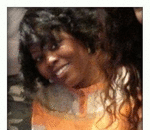
A victim( attached photo of blog) of a mass rape campaign in the town of Fizi, Democratic Republic of Congo poses for a photo on Sunday, Feb. 20, 2011 in Fizi, Congo (AP Photo/Pete Muller)
The question that's quietly and in some quarters not so quietly asked is why did President Obama relatively quickly and forcefully demand that Libyan dictator Muammar Gadhafi step down or else. The or else in this case were unleashing air strikes, and a volley of cruise and tomahawk missiles at him and his military. The stated reason was this was a humanitarian action to prevent the massacre by Khadafi of thousands of innocents. Yet, the U.S. did nothing a decade and a half ago when nearly a million Rwandans were massacred, and has been ineffectual on the documented rapes and massacres of thousands in the Congo.
The short answer is that President Obama was not at the helm during the Rwanda genocide. Bill Clinton was and it's been well documented that the world knew and watched in pained horror at the slaughter, and the UN and Clinton ignored pleas from UN military officials on the ground there to intervene. Clinton has often mused that the U.S. failure to act is still one of his greatest regrets. The estimated half million rapes and murders in the Congo are another matter. The rapes and murders have as with the Rwanda massacre been well documented, and humanitarian groups and even some in the UN have screamed for greater intervention.
WATCH 'TODAY SHOW' COVERAGE OF THE LIBYAN AIR STRIKES
Visit msnbc.com for breaking news, world news, and news about the economy
President Obama has dispatched Hillary Clinton to the Congo and deplored the killings and rapes; Clinton pledged $17 million in U.S. aid to fight the s*xual genocide there and appointed Howard Wolpe as a special advisor on the region. But none of this has translated out into direct action to stop the s*xual and murderous genocide there. The U.S. has sanctioned the estimated 20,000 peacekeepers in the country. But just how effective they've been, what their mission, or even mandate is, is still a subject of fierce debate. The charges of corruption and the UN's complicity with the Kabila regime in the Congo have flown hot and heavy. The U.S. contributes about a quarter of the funding for the mission about $337.5 million annually. But the sore point is it contributes no troops to the peacekeeping mission.
The deep suspicion is always that when slaughters by brutal dictators of their own people occur the sole criteria of whether there will be U.S. and even UN direct intervention is that the victims not have black skin, whether it's the Sudan, Liberia, Sierra Leone or the rapidly developing civil war in the Ivory Coast. These conflicts as in the other African wars almost always take dead aim at the massacre of women, children, and the elderly, the innocents. President Obama has voiced deep concern about the conflicts, but the bigger question is even if he wanted to directly intervene or arm-twist the UN to do more, let alone the U.S. Congress to do more to stop the genocidal strife in these countries, could he? The answer is a painful no, and the reason why goes beyond the simplistic issue of poverty and race in Africa.
The Libya intervention is a near textbook example of what Obama had to do to get the relatively minimal military involvement of the U.S. He's had to weather a broadside of attacks from Republicans and ultra-liberal Democrats that he either did too little, acted to slow, or shouldn't have acted at all. There's been endless debate over whether he violated the War Powers Act in authorizing U.S. participation in and enforcement of the No-Fly Zone without getting the prior approval of Congress. The U.S. cannot simply go to the United Nations and demand that it intervene in a country, and automatically get its way. It's a labyrinth, complex, and bureaucratic maze of debate, discussion, resolutions the UN engages in, and it's all layered over with the vested political and economic interests of the competing countries that are often at odds with each other.
The Security Council ultimately must give the go-ahead to UN direct involvement in a country. There also has to be approval of the government or at least what passes for a government in the besieged country to put troops on their soil. That's another long, drawn out, and in most cases futile undertaking to get that approval. The counter argument though, and the Obama administration is making it, is that the U.S. in line with the UN did have the legal obligation and the power to act to prevent a bloodbath in Libya, and acted against a dictator who would have no compunction about unleashing that bloodbath on his people. If the Obama administration had twiddled its thumbs and done nothing as France, Britain, the Arab League, and nearly every humanitarian group on the planet demanded that it do, then it would have been yet another black mark on the US's less than noble record in helping Third World nations achieve democratic rule, and topple bloodthirsty dictators.
It was a case of damned if you do, damned if you don't that Obama faces. While history still condemns the U.S. for doing nothing about Rwanda, and little about the Congo, Obama got it right about Libya this time.
Earl Ofari Hutchinson is an author and political analyst. He hosts a national Capitol Hill broadcast radio talk show on KTYM Radio Los Angeles and WFAX Radio Washington D.C. streamed on The Hutchinson Report Newsmaker Hour on blogtalkradio.com and wfax.com and internet TV broadcast on thehutchinsonreportnews.com Follow Earl Ofari Hutchinson on Twitter: http://twitter.com/earlhutchinson
8:22 AM on 03/23/2011
A victim( attached photo of blog) of a mass rape campaign in the town of Fizi, Democratic Republic of Congo poses for a photo on Sunday, Feb. 20, 2011 in Fizi, Congo (AP Photo/Pete Muller)
The question that's quietly and in some quarters not so quietly asked is why did President Obama relatively quickly and forcefully demand that Libyan dictator Muammar Gadhafi step down or else. The or else in this case were unleashing air strikes, and a volley of cruise and tomahawk missiles at him and his military. The stated reason was this was a humanitarian action to prevent the massacre by Khadafi of thousands of innocents. Yet, the U.S. did nothing a decade and a half ago when nearly a million Rwandans were massacred, and has been ineffectual on the documented rapes and massacres of thousands in the Congo.
The short answer is that President Obama was not at the helm during the Rwanda genocide. Bill Clinton was and it's been well documented that the world knew and watched in pained horror at the slaughter, and the UN and Clinton ignored pleas from UN military officials on the ground there to intervene. Clinton has often mused that the U.S. failure to act is still one of his greatest regrets. The estimated half million rapes and murders in the Congo are another matter. The rapes and murders have as with the Rwanda massacre been well documented, and humanitarian groups and even some in the UN have screamed for greater intervention.
WATCH 'TODAY SHOW' COVERAGE OF THE LIBYAN AIR STRIKES
Visit msnbc.com for breaking news, world news, and news about the economy
President Obama has dispatched Hillary Clinton to the Congo and deplored the killings and rapes; Clinton pledged $17 million in U.S. aid to fight the s*xual genocide there and appointed Howard Wolpe as a special advisor on the region. But none of this has translated out into direct action to stop the s*xual and murderous genocide there. The U.S. has sanctioned the estimated 20,000 peacekeepers in the country. But just how effective they've been, what their mission, or even mandate is, is still a subject of fierce debate. The charges of corruption and the UN's complicity with the Kabila regime in the Congo have flown hot and heavy. The U.S. contributes about a quarter of the funding for the mission about $337.5 million annually. But the sore point is it contributes no troops to the peacekeeping mission.
The deep suspicion is always that when slaughters by brutal dictators of their own people occur the sole criteria of whether there will be U.S. and even UN direct intervention is that the victims not have black skin, whether it's the Sudan, Liberia, Sierra Leone or the rapidly developing civil war in the Ivory Coast. These conflicts as in the other African wars almost always take dead aim at the massacre of women, children, and the elderly, the innocents. President Obama has voiced deep concern about the conflicts, but the bigger question is even if he wanted to directly intervene or arm-twist the UN to do more, let alone the U.S. Congress to do more to stop the genocidal strife in these countries, could he? The answer is a painful no, and the reason why goes beyond the simplistic issue of poverty and race in Africa.
The Libya intervention is a near textbook example of what Obama had to do to get the relatively minimal military involvement of the U.S. He's had to weather a broadside of attacks from Republicans and ultra-liberal Democrats that he either did too little, acted to slow, or shouldn't have acted at all. There's been endless debate over whether he violated the War Powers Act in authorizing U.S. participation in and enforcement of the No-Fly Zone without getting the prior approval of Congress. The U.S. cannot simply go to the United Nations and demand that it intervene in a country, and automatically get its way. It's a labyrinth, complex, and bureaucratic maze of debate, discussion, resolutions the UN engages in, and it's all layered over with the vested political and economic interests of the competing countries that are often at odds with each other.
The Security Council ultimately must give the go-ahead to UN direct involvement in a country. There also has to be approval of the government or at least what passes for a government in the besieged country to put troops on their soil. That's another long, drawn out, and in most cases futile undertaking to get that approval. The counter argument though, and the Obama administration is making it, is that the U.S. in line with the UN did have the legal obligation and the power to act to prevent a bloodbath in Libya, and acted against a dictator who would have no compunction about unleashing that bloodbath on his people. If the Obama administration had twiddled its thumbs and done nothing as France, Britain, the Arab League, and nearly every humanitarian group on the planet demanded that it do, then it would have been yet another black mark on the US's less than noble record in helping Third World nations achieve democratic rule, and topple bloodthirsty dictators.
It was a case of damned if you do, damned if you don't that Obama faces. While history still condemns the U.S. for doing nothing about Rwanda, and little about the Congo, Obama got it right about Libya this time.
Earl Ofari Hutchinson is an author and political analyst. He hosts a national Capitol Hill broadcast radio talk show on KTYM Radio Los Angeles and WFAX Radio Washington D.C. streamed on The Hutchinson Report Newsmaker Hour on blogtalkradio.com and wfax.com and internet TV broadcast on thehutchinsonreportnews.com Follow Earl Ofari Hutchinson on Twitter: http://twitter.com/earlhutchinson






Hello Saint Jake,
Who is the (we) that you are referring that must help the Congo as well as Libya? Is the (we) the European Union or Black Americans? Who specifically the week is?
Explain yourself,