
Update In Ferry Deaths, a South Korean Tycoon’s Downfall

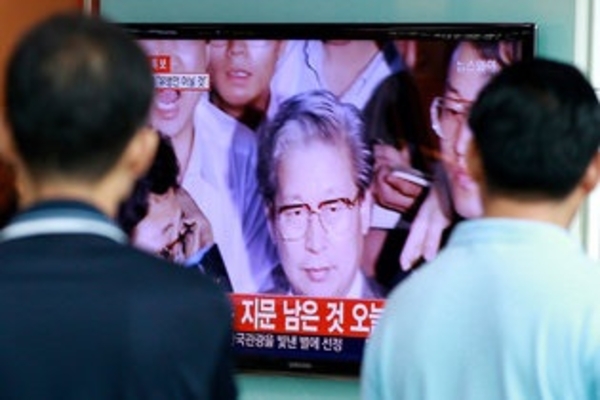
SEOUL, South Korea — After all the lavish galas in his honor at landmarks like the Louvre and Versailles, the tens of thousands of devotees following his religious teachings for decades, the hundreds of homes and businesses reportedly stashed around the globe, Yoo Byung-eun ended up alone, his body splayed on its back and rotting in the weeds, empty liquor bottles by his side.
Weeks before, nearly 10,000 police officers had raided his church’s compound in the largest manhunt in South Korean history, armed with backhoes to dig up underground hiding places, only to leave empty-handed. They had almost caught him once, it turned out, but Mr. Yoo slipped away, hiding in a secret room behind a wall in a distant villa, almost $1 million in two suitcases at the ready.
After a lifetime of craving recognition, of building a flock that showered him with cash and helped fund a business empire selling everything from toys to ships, Mr. Yoo found his moneymaking machine brought more than his own undoing, prosecutors say. It also contributed to one of the worst peacetime disasters in the nation’s history — the sinking of the ferry Sewol in April, which killed 304 passengers, the vast majority of them high school students.
... Reinventing a Swindler ...
Such scenes reverberated around the world. Since then, scores of people have been arrested in connection with the sinking, including regulators, the captain, officers and members of the crew. But at the heart of the tragedy, and the investigation into how it happened, sits one of the nation’s most eccentric, and now reviled, families.
“The Yoo Byung-eun family, which is the root cause of this calamity, is inviting the ire of the people by flouting the law rather than repenting before the people and helping reveal the truth,” said President Park Geun-hye, who has also been widely criticized for her government’s failure to prevent the disaster, much less find Mr. Yoo before his death. His wife and two of his four children are now in custody, and one son remains at large.
The Yoo family’s representatives did not provide answers to questions about the disaster, their businesses or their church. Many church members have said, however, that Ms. Park is trying to demonize the Yoos to deflect criticism from her government. But dozens of interviews with regulators, Coast Guard officials, prosecutors, dockworkers, crew members and family business associates seem to confirm the prosecutors’ contention that the Yoo family played a crucial role in the tragedy by cutting corners on the ferry’s safety, even as it was spending lavishly on itself.
The family used a sprawling group of at least 70 companies on three continents as a personal A.T.M., prosecutors say. In their own names or through companies that they control, family members own at least $8 million worth of real estate in the United States alone, including a c*ndominium at the Ritz Carlton in Manhattan, and have the rights to be an American distributor of Debauve & Gallais, the French maker of luxury chocolates once favored by Marie Antoinette. In France, they own an entire hilltop village.
The family also spent tens of millions of dollars to lionize Mr. Yoo, a convicted swindler known best in South Korea in connection with the mass suicide of 32 members of a splinter group of his church more than two decades ago.
... On a blustery day in January, three months before the Sewol capsized, the ship’s trouble with balance became glaringly obvious during a port stop in Jeju. Hit by gusts, the ship’s oversize superstructure acted like a huge sail, pinning the vessel to the dock and preventing it from departing. The episode was worrisome enough to company officials in Jeju that they sent a report to their management warning of the ship’s instability, prosecutors say.
When company officials decided that the ship was so troubled that it should be sold, their plan was vetoed by Mr. Yoo himself, prosecutors say. Instead, company executives colluded to “load as much cargo as possible, whatever the costs,” according to prosecutors.
But there were warning signs well before January.
Some dockworkers on Jeju said they held small demonstrations in front of local government offices last year to complain that the ferry company was putting more cargo on the Sewol and its other vessels than it reported in cargo manifests. Their particular complaint was that understating the amount of cargo resulted in less pay for the dockworkers, who are paid by the ton.
Ko Do-ho, a 35-year-old member of the dockworkers’ union from Jeju, said he and some co-workers first complained about such loading practices in a newspaper advertisement four years ago, but it got little attention.
“If the problem was corrected when we blew the whistle four years ago, we might not have had the Sewol disaster,” he said.
The many ways in which the ferry company cheated came back to haunt the Sewol on April 16, the day of the accident, when all of the vessel’s problems combined in a cascading series of events. As it headed toward the most dangerous part of the journey, a narrow waterway with treacherous currents called the Maenggol Strait, it was burdened with 2,142 metric tons of cargo, about twice the maximum permitted, ...
Beyond that, it had only 761 metric tons of ballast water, less than half the minimum required. Then the ship’s helmsman turned too far to the right, more sharply than the five-degree turn that the regular captain, who was not working that day, had recommended because the ship was so wobbly, prosecutors said. Crew members and surviving passengers watched as stacks of cargo containers that had been badly tied down suddenly started sliding, throwing the ship’s weight to one side.
Soon after the first Coast Guard rescue boat arrived, it reported that the ferry was already listing by 60 degrees, making its top deck nearly perpendicular to the water. When rescuers clambered onto the exposed right side of the capsizing vessel, they could see the trapped passengers through the windows but could not help them in time because they did not have the ropes and climbing equipment needed for a rescue, said Kim Sae-in, a Coast Guard official in Mokpo, the port from which the first rescue vessel came. “A ship of that size should have taken several hours to flip, not less than two,” Mr. Kim said. ...
Read more...
http://www.nytimes.com/2014/07/27/world/as...
Weeks before, nearly 10,000 police officers had raided his church’s compound in the largest manhunt in South Korean history, armed with backhoes to dig up underground hiding places, only to leave empty-handed. They had almost caught him once, it turned out, but Mr. Yoo slipped away, hiding in a secret room behind a wall in a distant villa, almost $1 million in two suitcases at the ready.
After a lifetime of craving recognition, of building a flock that showered him with cash and helped fund a business empire selling everything from toys to ships, Mr. Yoo found his moneymaking machine brought more than his own undoing, prosecutors say. It also contributed to one of the worst peacetime disasters in the nation’s history — the sinking of the ferry Sewol in April, which killed 304 passengers, the vast majority of them high school students.
... Reinventing a Swindler ...
Such scenes reverberated around the world. Since then, scores of people have been arrested in connection with the sinking, including regulators, the captain, officers and members of the crew. But at the heart of the tragedy, and the investigation into how it happened, sits one of the nation’s most eccentric, and now reviled, families.
“The Yoo Byung-eun family, which is the root cause of this calamity, is inviting the ire of the people by flouting the law rather than repenting before the people and helping reveal the truth,” said President Park Geun-hye, who has also been widely criticized for her government’s failure to prevent the disaster, much less find Mr. Yoo before his death. His wife and two of his four children are now in custody, and one son remains at large.
The Yoo family’s representatives did not provide answers to questions about the disaster, their businesses or their church. Many church members have said, however, that Ms. Park is trying to demonize the Yoos to deflect criticism from her government. But dozens of interviews with regulators, Coast Guard officials, prosecutors, dockworkers, crew members and family business associates seem to confirm the prosecutors’ contention that the Yoo family played a crucial role in the tragedy by cutting corners on the ferry’s safety, even as it was spending lavishly on itself.
The family used a sprawling group of at least 70 companies on three continents as a personal A.T.M., prosecutors say. In their own names or through companies that they control, family members own at least $8 million worth of real estate in the United States alone, including a c*ndominium at the Ritz Carlton in Manhattan, and have the rights to be an American distributor of Debauve & Gallais, the French maker of luxury chocolates once favored by Marie Antoinette. In France, they own an entire hilltop village.
The family also spent tens of millions of dollars to lionize Mr. Yoo, a convicted swindler known best in South Korea in connection with the mass suicide of 32 members of a splinter group of his church more than two decades ago.
... On a blustery day in January, three months before the Sewol capsized, the ship’s trouble with balance became glaringly obvious during a port stop in Jeju. Hit by gusts, the ship’s oversize superstructure acted like a huge sail, pinning the vessel to the dock and preventing it from departing. The episode was worrisome enough to company officials in Jeju that they sent a report to their management warning of the ship’s instability, prosecutors say.
When company officials decided that the ship was so troubled that it should be sold, their plan was vetoed by Mr. Yoo himself, prosecutors say. Instead, company executives colluded to “load as much cargo as possible, whatever the costs,” according to prosecutors.
But there were warning signs well before January.
Some dockworkers on Jeju said they held small demonstrations in front of local government offices last year to complain that the ferry company was putting more cargo on the Sewol and its other vessels than it reported in cargo manifests. Their particular complaint was that understating the amount of cargo resulted in less pay for the dockworkers, who are paid by the ton.
Ko Do-ho, a 35-year-old member of the dockworkers’ union from Jeju, said he and some co-workers first complained about such loading practices in a newspaper advertisement four years ago, but it got little attention.
“If the problem was corrected when we blew the whistle four years ago, we might not have had the Sewol disaster,” he said.
The many ways in which the ferry company cheated came back to haunt the Sewol on April 16, the day of the accident, when all of the vessel’s problems combined in a cascading series of events. As it headed toward the most dangerous part of the journey, a narrow waterway with treacherous currents called the Maenggol Strait, it was burdened with 2,142 metric tons of cargo, about twice the maximum permitted, ...
Beyond that, it had only 761 metric tons of ballast water, less than half the minimum required. Then the ship’s helmsman turned too far to the right, more sharply than the five-degree turn that the regular captain, who was not working that day, had recommended because the ship was so wobbly, prosecutors said. Crew members and surviving passengers watched as stacks of cargo containers that had been badly tied down suddenly started sliding, throwing the ship’s weight to one side.
Soon after the first Coast Guard rescue boat arrived, it reported that the ferry was already listing by 60 degrees, making its top deck nearly perpendicular to the water. When rescuers clambered onto the exposed right side of the capsizing vessel, they could see the trapped passengers through the windows but could not help them in time because they did not have the ropes and climbing equipment needed for a rescue, said Kim Sae-in, a Coast Guard official in Mokpo, the port from which the first rescue vessel came. “A ship of that size should have taken several hours to flip, not less than two,” Mr. Kim said. ...
Read more...
http://www.nytimes.com/2014/07/27/world/as...




..."But there were warning signs well before January.
Some dockworkers on Jeju said they held small demonstrations in front of local government offices last year to complain that the ferry company was putting more cargo on the Sewol and its other vessels than it reported in cargo manifests.
Their particular complaint was that understating the amount of cargo resulted in less pay for the dockworkers, who are paid by the ton. "
“If the problem was corrected when we blew the whistle four years ago, we might not have had the Sewol disaster,” he said. ...