Positive and Negative Syndrome Scale (PANSS)
composes of 3 components: Positive (P), Negative
(N) and cognitive or General Psychopathology (G).
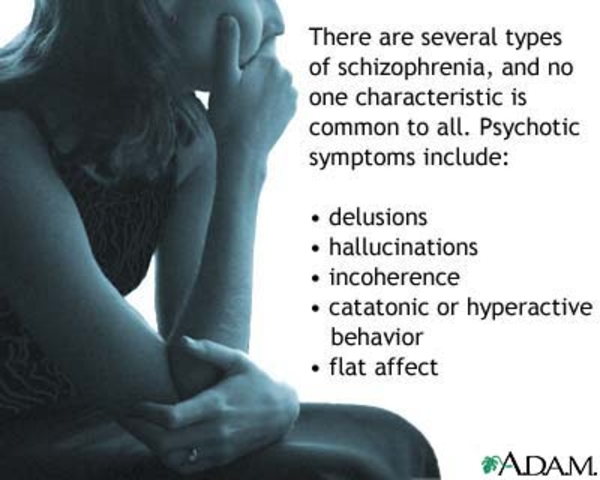
Positive syndrome is composed of symptoms such
as delusions, hallucinations and disorganized
thinking. Negative syndrome is characterized by
deficits in cognitive, affective, and social functions,
including blunting of affect and passive withdrawal.
General Psychopathology is composed of many
deficits in cognition such as disorientation, poor
attention, lack of insight and active social
avoidance.
Positive and Negative subscales each contain 7
items (P1 – P7, N1 – N7); General Psychopathology
subscale contains 16 items with the major emphasis
on cognition (G 1 - G16) (Table 1).
Each item is scored from 1-7 based on the
presence and severity of symptoms: (1 = absent, 2
= minimal, 3 = mild, 4 = moderate, 5 = moderate
severe, 6 = severe, 7 = extreme).
Table 1: Positive and Negative Syndrome Scale (PANSS)
Positive (p) Negative (n) Cognitive or general psychopathology (g)
P1. delusions
P2. conceptual disorganization
P3. hallucinatory behavior
P4. excitement
P5. grandiosity
P6. suspiciousness / persecution
P7. hostility
N1. Blunted affect
N2. emotional withdrawal
N3. poor rapport
N4. passive / apathetic social
withdrawal
N5. difficulty in abstract
thinking
N6. lack of spontaneity and
flow of conversation
N7. stereotyped thinking
G1. somatic
Posted By:
Wednesday, November 17th 2010 at 2:49PM
You can also
click
here to view all posts by this author...