Dominion's defamation suit is moving forward. That's good for democracy.
It's going to be tough for Giuliani, Powell and Lindell to dodge consequences for their election lies.
By Jessica Levinson, MSNBC Opinion Columnist
A federal judge ruled on Wednesday that a major defamation case against key boosters of former President Donald Trump’s false claims of election fraud can continue forward. This is a win not just for the plaintiff, Dominion, a corporation that sells voting machines and software, but also for the American public. It’s looking increasingly like defamation suits could be our best bet for holding election conspiracy theorists accountable and for deterring future false claims of election fraud.
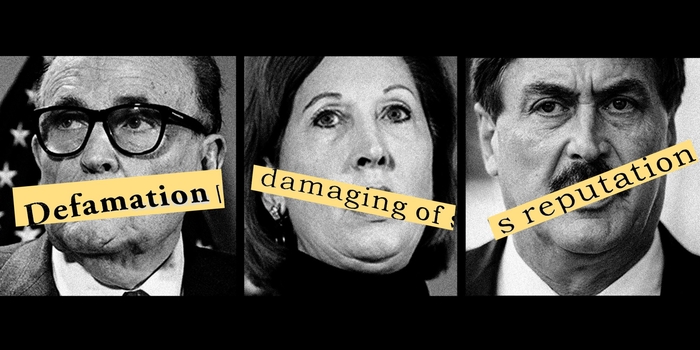
The defendants in the case are Sidney Powell and Rudy Giuliani, attorneys who promoted falsehoods about the 2020 presidential election, and Mike Lindell, founder of MyPillow and a frequent peddler of election conspiracies. All three are now stuck defending themselves against Dominion’s defamation suit thanks to the judge’s decision not to toss the case as they requested.
The suit, very generally, involves claims that Powell, Giuliani and Lindell made about Dominion rigging the 2020 election. To succeed in its defamation claim, Dominion must show that Powell, Giuliani and/or Lindell expressed or implied a false fact (as opposed to opinion) about Dominion and that they knew the statements were false or that they recklessly disregarded the fact that the statements were false.
Judge Carl Nichols who presided over the case is no liberal darling — he was appointed by none other than Trump himself. And the disdain that the federal judge showed for the statements made, and defenses waged by Powell, Giuliani and Lindell was palpable. A quick read of the 44-page opinion reveals a healthy dose of judicial derision.
Nichols quickly rejected Powell’s first defense: that a reasonable person could not believe many of her comments about the 2020 election were statements of fact. It is “simply not the law that provably false statements cannot be actionable if made in the context of an election,” Nichols wrote. Put another way, if you lie about a person or other legal entity, you can be sued for defamation, even if the lie is made about an election.
READ MORE: Dominion's defamation suit is moving forward. That's good for democracy.
https://www.msnbc.com/opinion/dominion-s-d...
 Posted By: Dea. Ron Gray Sr.
Wednesday, August 18th 2021 at 10:55PM
You can also
click
here to view all posts by this author...