
Beware of Credit Card Reward Programs!
Credit card companies have tempted consumers for years with a wide range of so called reward programs, from gifts, airplane miles/points to hotel rooms. Now the majority of the advertisements for these programs offer between 1% and 2% cash back for making purchases of everyday necessities. But how do these rewards really benefit the average consumer who is struggling to pay minimum payments and living pay-check-to-paycheck?
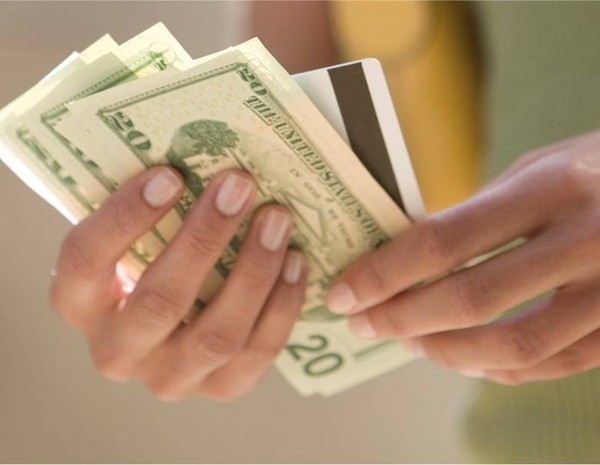
Bingham University will soon release a research paper that confirms that when using a credit card to buy groceries, people are more likely to buy “unhealthy food. (Medical News Today)” Paying with cash makes most consumers more likely to actually think before they make each purchase because it is “psychologically more painful.” Therefore using cash may also help consumers to control “impulsive buying behaviors.”
The Federal Reserve Bank of Chicago recently released an eye opening report that every credit card holder should read. In this report called, Why Do Banks Reward their Customers to Use their Credit Cards?, there is a statement that basically answers that very question. “The main objective of the card companies is to increase card spending that may result in cardholder’s debt in the future.” It is also suggested in this paper that the most competitive credit card companies use reward programs to “steal customers from competitors.”
The data also shows that consumers started to use the credit cards that offered “rewards” instead of the other cards in their wallet. These consumers also had higher monthly debt than before they entered into the rewards program because they are falling into another credit card trap. Consumers are being enticed to make purchases based on getting a “reward”, which in fact they are more tempted to buy more than they actually need.
Although there are advantages of having a credit card, far too many people tend to use their credit cards like their debit cards forgetting when they charge their purchases they are really borrowing money based on their credit rating. Here are a summary of some basic tips from CreditCard.com that may help you keep better track of your credit card purchases and keep your debt to a minimum.
• Never forget that credit cards are a loan that you have to pay back.
• Always try not to charge more than you can afford to pay back.
• Carrying a high monthly balance or owing more than you can afford to pay back can severely hurt your credit score. This can make it hard to get a loan for a car or home, an apartment, affordable insurance or even jeopardize getting your next job.
• Always keep track of how much you charge on your credit card each month.
• Always save your credit card receipts. Report differences to the company that issued the card as soon as possible.
• Always try to pay on time. Whenever possible try to pay the entire balance. If not you will pay hefty finance charges on the unpaid balance which increases your debt.
A wise rule to keep in mind is not to spend on credit what you can afford to buy with cash. If you don’t already have an Emergency Fund (3-6 months worth of easily accessible money,) this month might be the perfect time to get one started. An Emergency Fund is money specifically set aside to cover unexpected expenses like medical bills, car repair, air conditioner/heater, insurance deductible, etc. A very painless way to get started on your Emergency Fund is to consider taking a portion of your income tax return money to open a separate account, then start adding $25 or more per pay period until you reach your goal.
In order to figure out how much you will actually be able to set aside towards your Emergency Fund, we suggest you sit down and write down your monthly income and expenses. Keep all of your receipts for your weekly purchases (gas for the car, food, bills, etc.) Make a list of the items you bought on impulse that you are willing to cut down or cut out of your expense column. For example, take notice of the snacks, fast-food, coffee, bottled water and the like. In most cases these small items could well add up to over $25 per month when purchased individually.
In conclusion, don’t let the convenience and temptation of using your credit card keep you from achieving your goals of becoming financially independent and debt free. We understand that these are tough times, but if you look back at this country’s history, many people especially African-Americans were able to achieve a lot with less financial resources than are available to this generation. It all starts with the mind-set that you are willing to make some sacrifices now to create a better financial future for your family.
Bingham University will soon release a research paper that confirms that when using a credit card to buy groceries, people are more likely to buy “unhealthy food. (Medical News Today)” Paying with cash makes most consumers more likely to actually think before they make each purchase because it is “psychologically more painful.” Therefore using cash may also help consumers to control “impulsive buying behaviors.”
The Federal Reserve Bank of Chicago recently released an eye opening report that every credit card holder should read. In this report called, Why Do Banks Reward their Customers to Use their Credit Cards?, there is a statement that basically answers that very question. “The main objective of the card companies is to increase card spending that may result in cardholder’s debt in the future.” It is also suggested in this paper that the most competitive credit card companies use reward programs to “steal customers from competitors.”
The data also shows that consumers started to use the credit cards that offered “rewards” instead of the other cards in their wallet. These consumers also had higher monthly debt than before they entered into the rewards program because they are falling into another credit card trap. Consumers are being enticed to make purchases based on getting a “reward”, which in fact they are more tempted to buy more than they actually need.
Although there are advantages of having a credit card, far too many people tend to use their credit cards like their debit cards forgetting when they charge their purchases they are really borrowing money based on their credit rating. Here are a summary of some basic tips from CreditCard.com that may help you keep better track of your credit card purchases and keep your debt to a minimum.
• Never forget that credit cards are a loan that you have to pay back.
• Always try not to charge more than you can afford to pay back.
• Carrying a high monthly balance or owing more than you can afford to pay back can severely hurt your credit score. This can make it hard to get a loan for a car or home, an apartment, affordable insurance or even jeopardize getting your next job.
• Always keep track of how much you charge on your credit card each month.
• Always save your credit card receipts. Report differences to the company that issued the card as soon as possible.
• Always try to pay on time. Whenever possible try to pay the entire balance. If not you will pay hefty finance charges on the unpaid balance which increases your debt.
A wise rule to keep in mind is not to spend on credit what you can afford to buy with cash. If you don’t already have an Emergency Fund (3-6 months worth of easily accessible money,) this month might be the perfect time to get one started. An Emergency Fund is money specifically set aside to cover unexpected expenses like medical bills, car repair, air conditioner/heater, insurance deductible, etc. A very painless way to get started on your Emergency Fund is to consider taking a portion of your income tax return money to open a separate account, then start adding $25 or more per pay period until you reach your goal.
In order to figure out how much you will actually be able to set aside towards your Emergency Fund, we suggest you sit down and write down your monthly income and expenses. Keep all of your receipts for your weekly purchases (gas for the car, food, bills, etc.) Make a list of the items you bought on impulse that you are willing to cut down or cut out of your expense column. For example, take notice of the snacks, fast-food, coffee, bottled water and the like. In most cases these small items could well add up to over $25 per month when purchased individually.
In conclusion, don’t let the convenience and temptation of using your credit card keep you from achieving your goals of becoming financially independent and debt free. We understand that these are tough times, but if you look back at this country’s history, many people especially African-Americans were able to achieve a lot with less financial resources than are available to this generation. It all starts with the mind-set that you are willing to make some sacrifices now to create a better financial future for your family.



Your Welcome, Gary! I just have to get the info out there.